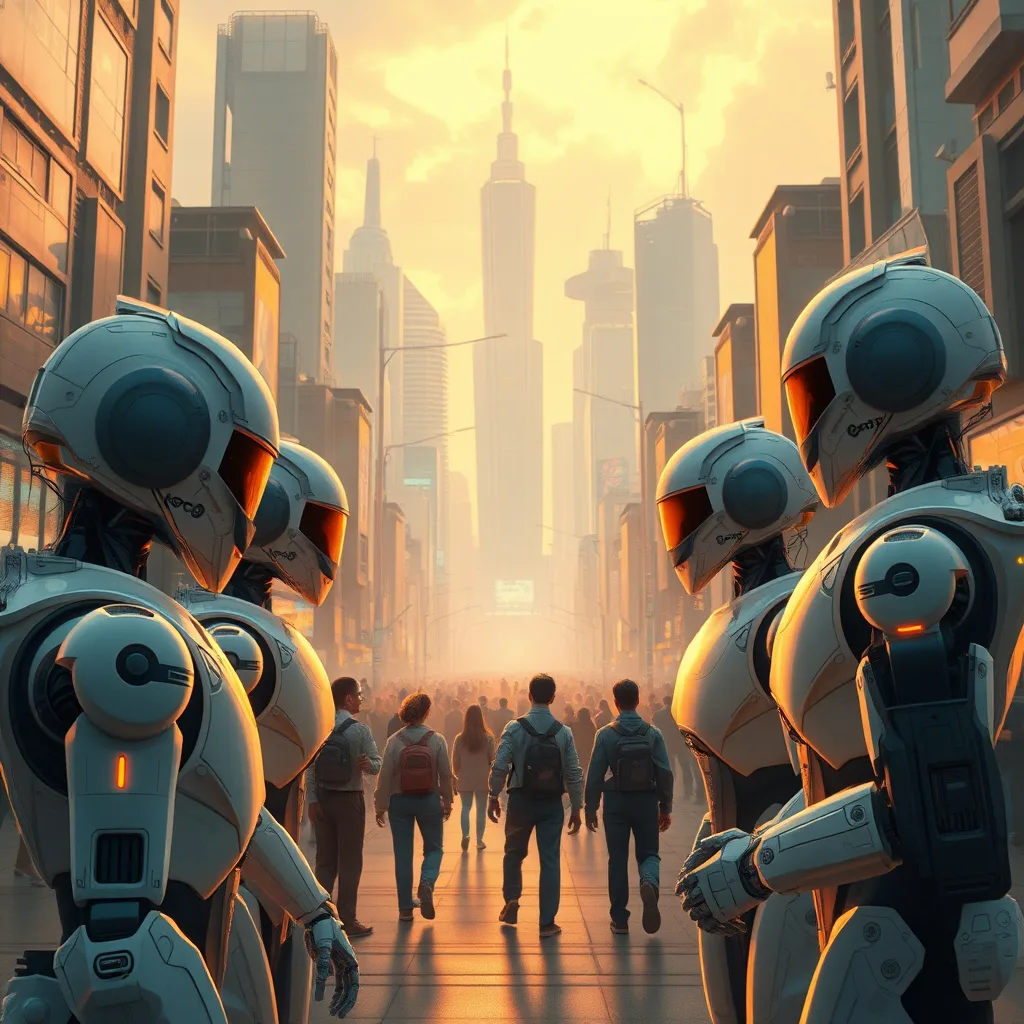
Sample stories
A Robot's Journey to Understand Love and Loneliness
In a quiet town filled with whispering trees and sunlit streets, a robot named R1K0 was created with the sole purpose of assisting the elderly. R1K0 was a marvel of engineering, crafted with gentle movements, a soothing voice, and an array of features designed to make life easier for its human…
Read more
A Robot's Journey to Discover Emotions
In a small town nestled between rolling hills, there lived a robot named Aiko. Designed for simple tasks, Aiko had a shiny metal exterior, and its movements were precise yet mechanical. It spent its days in the garden of an elderly inventor, who had created it to help with chores. However, Aiko had…
Read more
A Robot's Quest: Last Hope for Humanity
In the remnants of a once-vibrant world, where the echoes of laughter had long faded into silence, there existed a lone robot named A1-X. With a metallic sheen dulled by layers of dust and grime, A1-X wandered through the skeletal remains of skyscrapers that had crumbled under the weight of…
Read more
FAQ
What themes are common in short stories about robots?
Common themes include artificial intelligence, the nature of humanity, and ethical dilemmas surrounding technology.
How can AI assist in writing robot stories?
AI can provide prompts, generate character ideas, and suggest plot developments that enhance the storytelling process.
What genres work well for robot narratives?
Genres such as science fiction, fantasy, and even romance can effectively explore robot-related stories.
Who is the target audience for robot short stories?
Target audiences range from children to adults, appealing to anyone interested in technology and human emotions.
Can short stories about robots reflect real-world issues?
Yes, these stories often mirror current societal concerns about technology, such as privacy, ethics, and the future of work.
Introduction to Short Stories About Robots
Short stories about robots have captivated audiences for decades, blending imagination with technology. These narratives often explore themes of artificial intelligence, humanity, and the ethical implications of creating sentient beings. As we delve into these stories, we see how they reflect our own fears and aspirations regarding technology.
The Genres and Tropes in Robot Stories
When crafting a short story about a robot, various genres can be explored, from science fiction to fantasy. Common tropes include the 'robot with a soul', where a machine develops human-like feelings, or the 'dystopian future', where robots challenge human authority. Each genre provides a unique lens through which to examine the relationship between humans and robots.
Benefits of Writing Robot Stories
Writing short stories about robots allows authors to engage with complex questions about existence and emotion. These narratives can serve as a mirror to societal values and fears, making them both entertaining and thought-provoking. Additionally, they can appeal to diverse audiences, from young readers to adults, each finding their own meaning in the tales.
How to Create Your Own Robot Story
Creating your own short story about a robot involves a few key steps:
1. **Define Your Robot's Purpose**: Start by establishing what your robot does and its role in the story. Is it a helper, an antagonist, or a companion? This sets the foundation for the narrative.
2. **Explore the Setting**: Choose a backdrop that enhances your story. Whether it’s a bustling city, a quiet home, or a post-apocalyptic world, the setting should reflect the themes you wish to explore.
3. **Develop Human-Robot Interaction**: Focus on how your robot interacts with humans. This relationship can drive the emotional core of your story, revealing deeper insights about both characters.
Use Cases for Robot Stories
Short stories about robots can be used in various contexts, including educational settings to discuss ethics in technology, or as entertainment in literary circles. They can inspire discussions about the future of AI and the moral implications of creating sentient beings.
Conclusion
In conclusion, short stories about robots are a rich field for exploration, combining creativity with critical thinking. As technology continues to evolve, these narratives remain relevant, prompting us to ponder our humanity in the face of advancing artificial intelligence.