Sample stories
A Brave Young Dragon's Adventure to Prove Itself
In a faraway land of emerald valleys and towering peaks, there lived a young dragon named Ember. Unlike other dragons, Ember was smaller in size and often overshadowed by her fiercer siblings. Each day, she watched them soar through the skies, breathing fire and showing off their might. Deep down,…
Read more
A Heartwarming Tale of a Dragon and a Lost Child
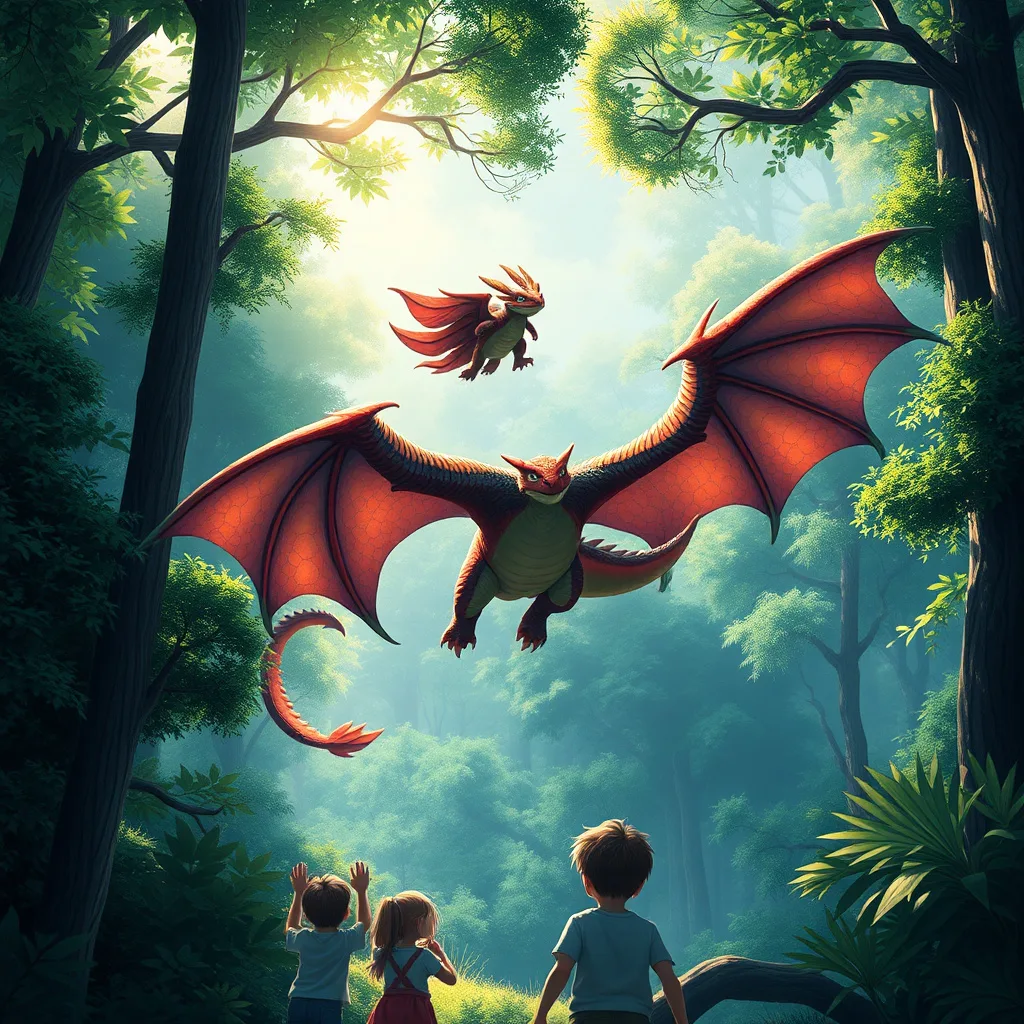
In a realm where sunlight filtered through emerald leaves, there existed a magical forest known as Eldergrove. Here, the trees grew tall and wise, their bark etched with centuries of stories. The air shimmered with enchantment, and the sweet scent of blooming flowers danced upon the gentle breeze.…
Read more
A Tale of Friendship Between Dragons and Humans
In a world where the sun kissed the mountains and the rivers sang to the valleys, dragons and humans lived together in an extraordinary alliance. The dragons, with scales that glimmered in brilliant hues, were not the fearsome beasts of old tales but rather gentle giants who roamed the skies like…
Read more
FAQ
What themes are common in kids stories about dragons?
Common themes include friendship, bravery, adventure, and the acceptance of differences, often showcasing dragons in various roles.
How can I create an engaging dragon story for my child?
Start by choosing a relatable dragon character, set an imaginative scene, and develop a plot that includes exciting challenges and lessons.
What age group enjoys dragon stories the most?
Kids aged 5 to 12 typically enjoy dragon stories, as they appeal to their sense of adventure and fantasy.
Are dragon stories suitable for bedtime reading?
Absolutely! Many dragon stories are gentle and whimsical, making them perfect for bedtime, while still igniting children's imaginations.
Can AI help in writing kids stories about dragons?
Yes, AI can assist in generating ideas, structuring plots, and creating engaging characters, making the storytelling process easier and more fun.
Introduction to Kids Stories About Dragons
Kids stories about dragons are a unique blend of adventure and fantasy, captivating the imaginations of young readers. These stories often feature dragons as central characters, presenting them in various roles from fearsome beasts to friendly companions. The tales can be set in magical realms, ancient kingdoms, or even modern-day adventures, making them versatile for different age groups.
Why Kids Love Dragon Stories
Children are drawn to dragon stories for their excitement and the sense of wonder they provide. Dragons symbolize strength, bravery, and adventure, which resonates with kids as they navigate their own experiences. The fantastical elements of these stories allow children to escape into a world where anything is possible, fostering creativity and imagination.
How to Create Your Own Kids Dragon Story
Creating a kids story about a dragon can be a fun and rewarding experience. Here’s how you can get started:
1. **Choose Your Dragon Character**: Decide whether your dragon will be a villain, a hero, or perhaps a misunderstood creature. This choice will shape the story's direction.
2. **Set the Scene**: Establish a captivating setting for your story. This could be a magical kingdom, a hidden valley, or even a contemporary town where dragons exist unseen.
3. **Craft the Adventure**: Develop a plot that includes challenges, friendships, and lessons learned. A great kids dragon story often involves a quest, a conflict, or a journey of self-discovery.
Benefits of Reading Dragon Stories
Reading stories about dragons encourages children to develop a love for literature while enhancing their vocabulary and comprehension skills. These tales often incorporate valuable lessons about friendship, courage, and perseverance, making them not only entertaining but also educational.
Conclusion
Kids stories about dragons are more than just tales; they are gateways to adventure and imagination. By crafting these stories, parents and educators can inspire young minds and foster a lifelong love for reading and storytelling.